
Education in 19th Century Ontario
(a talk by Gord Sly)
December 5, 2015
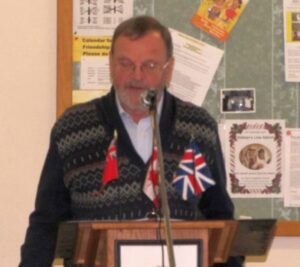
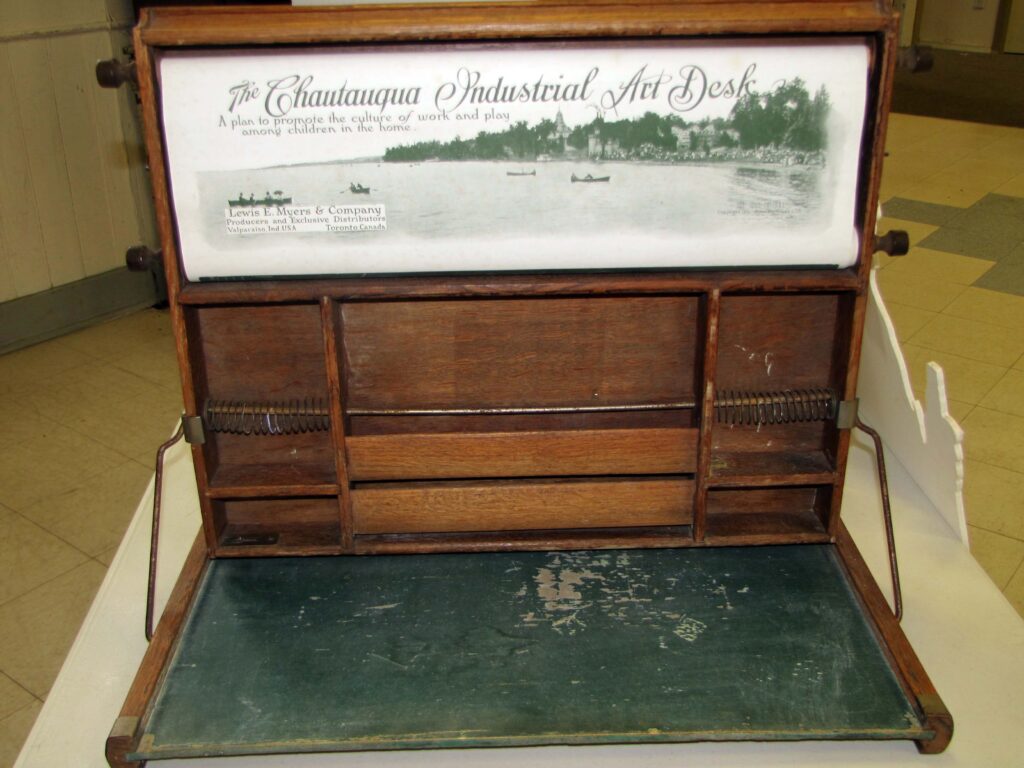
Our speaker was Mr. Gord Sly, a retired schoolteacher and an active volunteer at the Frontenac County Schools Museum, who spoke about Education in 19th Century Ontario. Mr. Sly kindly brought a fine display of photos and artifacts from earlier times. Much more is available at the Museum. Its hours vary during the year, so you should check its website before visiting, and perhaps call the telephone number listed, particularly if you are interested in doing some research into a particular school or area.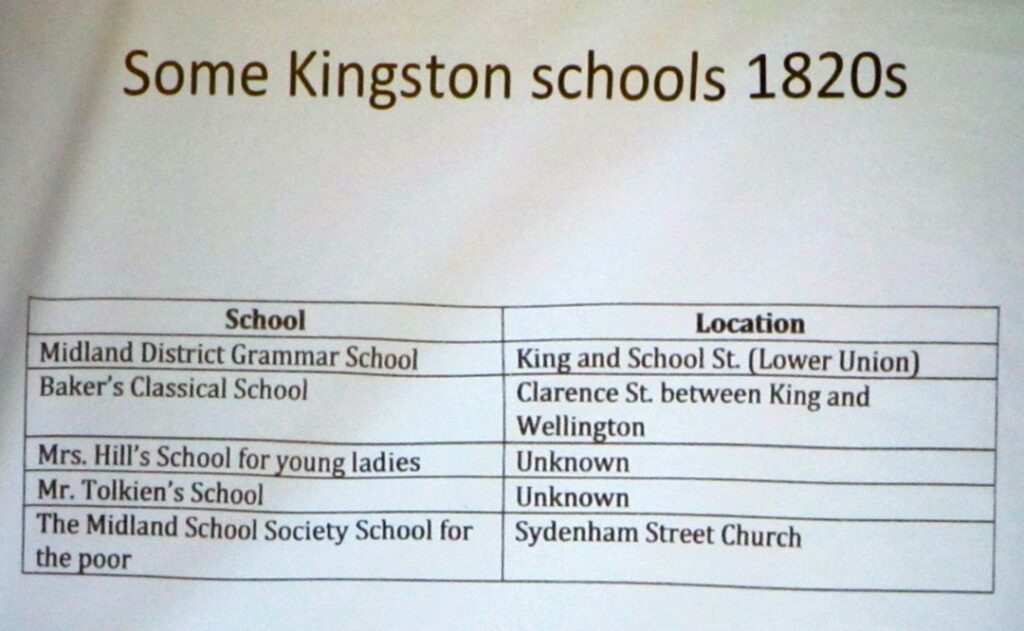
Education was rather haphazard and variable from town to town until the appointment in 1844 as Chief Superintendent of Education for Upper Canada of Edgerton Ryerson, a former Methodist missionary and editor of the Christian Guardian. Ryerson believed strongly in universal education. He instituted a standard curriculum across the province, based in large part on what was offered in Ireland at the time.
Even after that, teachers often had no formal training or certification. Senior students helped junior students at school and were then asked to become a teacher. There were no grade levels until 1930: the system went by “book level” and there were 4 books to work through before finishing school.
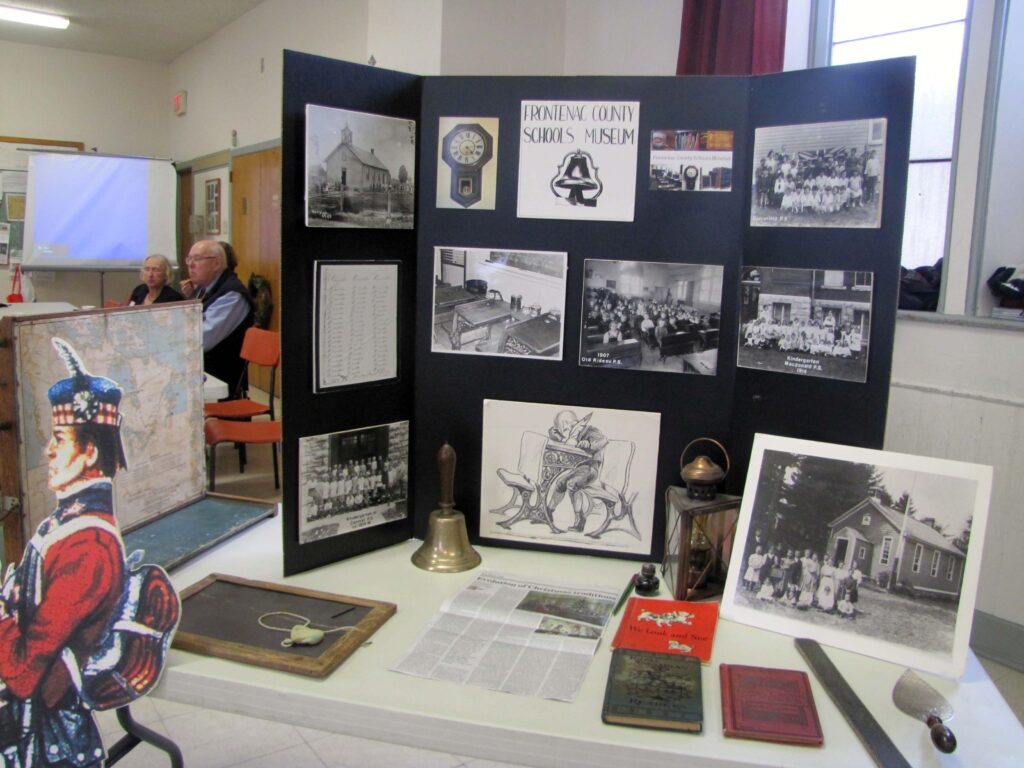
Mr. Sly described several interesting lists of rules for teachers. A male teacher could not get a shave in a barbershop: that was considered decadent. Teachers were expected to be models of decorum, and “on call” 24/7. Most could not afford their own accommodation and boarded with a local family, often being expected to assist with chores as well. There was no job security: they had to be approved each year by the school truetees, who often chose someone less experienced who could be paid less.There is much material at the museum collected from many schools. Perhaps someone will find a photo of their ancestor or relative among the many class photos.
The number of questions indicated a high level of interest in Mr. Sly’s presentation.